Cuyahoga Valley National Park Overview
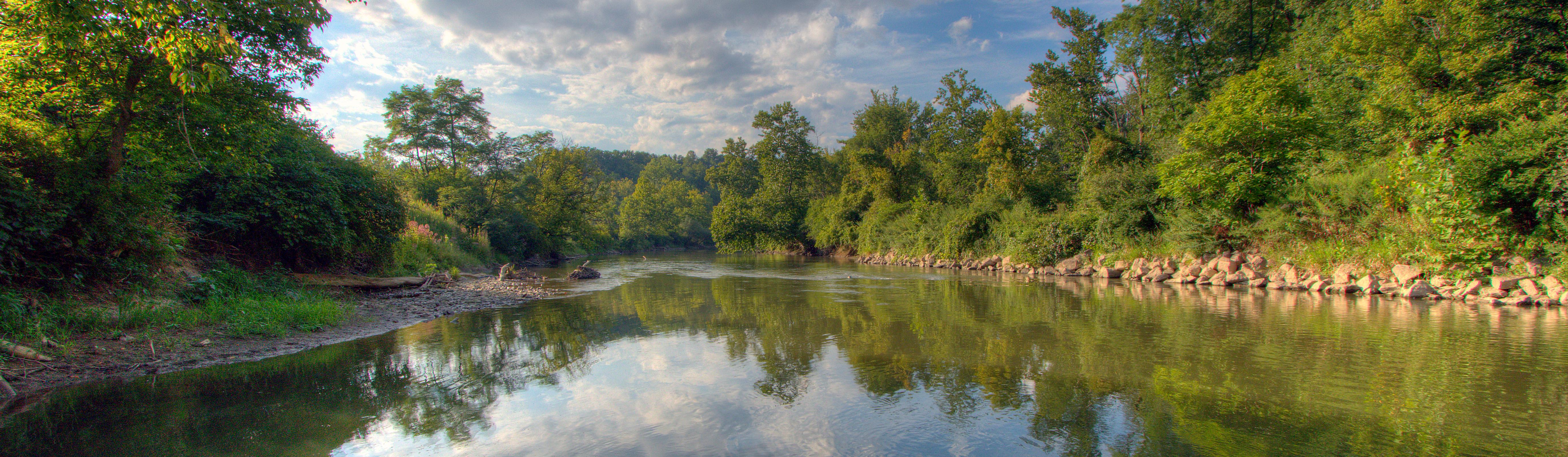
Cuyahoga Valley National Park protects about 32,572 acres along the Cuyahoga River between Cleveland and Akron, including forests, farms, wetlands, waterfalls, canal history, and a varied trail network in northeast Ohio. The park recorded 3,025,325 recreation visits in 2025, making it one of the most visited guide-only parks on this site. Because the park is woven into nearby communities, visitors can combine hikes, scenic drives, historic sites, and gateway towns in a single day.
The Ohio & Erie Canal Towpath Trail anchors much of the park experience, while Brandywine Falls, the Ledges, Beaver Marsh, and river overlooks add more natural stops. The Cuyahoga Valley Scenic Railroad and historic canal features give the park a different rhythm from remote wilderness parks.
Cuyahoga Valley was first protected as a national recreation area on December 27, 1974, and became a national park on October 11, 2000. The park preserves river recovery, canal-era transportation, farming landscapes, and a rare large green corridor in a heavily developed region.
For more information see the park's Wikipedia page.
For official park information, visit the official NPS page.
Top Hikes
Use the NPS Hiking page for current Cuyahoga Valley trail information. Trail surfaces vary from towpath and boardwalk to steeper woodland paths with stairs, stream crossings, and seasonal mud.
Ledges Trail is a 2.2-mile (3.5 km) loop with about 80 feet (24 m) of elevation gain around sandstone cliffs, forest, and one of the park's best overlooks.
Brandywine Gorge Trail is a 1.5-mile (2.4 km) loop with about 160 feet (49 m) of elevation gain, pairing Brandywine Falls views with wooded ravine walking.
Blue Hen Falls from Boston Mill is about 3 miles (4.8 km) round trip with roughly 580 feet (177 m) of elevation gain, using the Buckeye Trail through rolling woodland.
Oak Hill and Plateau Trail is about 4.7 miles (7.6 km) with roughly 300 feet (91 m) of elevation gain through forest, wetlands, and quiet old-field scenery.
Ohio and Erie Canal Towpath Trail is the long, nearly level route through the park; hikers can choose sections up to about 20 miles (32 km) with minimal elevation gain.
Cuyahoga Valley National Park Backpacking
Backpacking is not a primary activity in Cuyahoga Valley because the park does not have a traditional backcountry camping system. Visitors looking for longer outings usually link day hikes, bike sections of the Towpath, or stay in nearby communities and return for multiple trail days.
Things to Do in Cuyahoga Valley National Park
Use the NPS Things To Do page for current activity ideas, seasonal guidance, accessibility notes, and park alerts before planning your visit.
The Ohio and Erie Canal Towpath Trail is the main recreation corridor in Cuyahoga Valley National Park. Visitors can walk, run, or bike long sections of the trail while connecting canal history, river views, wetlands, farms, and gateway towns.
Biking is one of the strongest activities in Cuyahoga Valley because the Towpath Trail and Bike Aboard train option make the park unusually bike-friendly. The Scenic Railroad is also a major attraction for families and visitors who want a low-effort way to see the valley.
Wildlife viewing, birding, photography, paddling nearby waterways, and visiting historic farms all help make the park more than a quick waterfall stop.
Cuyahoga Valley National Park Camping and Lodging
There is no NPS campground in the park. Visitors usually stay in nearby communities or use regional campgrounds outside the park boundary.
Official Cuyahoga Valley National Park Resources
Use the official NPS page, park map, and current alerts when planning a trip to Cuyahoga Valley National Park.