Mesa Verde National Park Overview
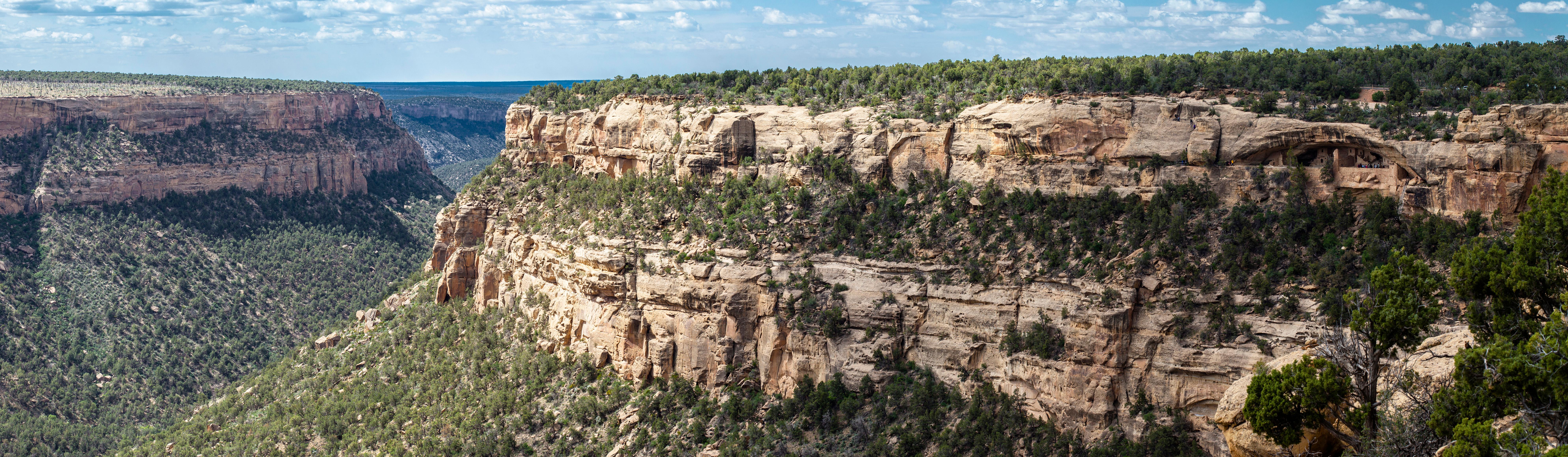
Mesa Verde National Park protects about 52,485 acres in southwestern Colorado near the Four Corners region, where high mesas and deep canyons hold one of the most important archeological landscapes in the United States. The park recorded 463,130 recreation visits in 2025, making it far busier than the remote Alaska parks but still quieter than many western national parks. Visitors come for cliff dwellings, mesa-top sites, canyon overlooks, hiking trails, ranger-led tours, and the chance to understand a landscape shaped by generations of Ancestral Pueblo people.
The park preserves nearly 5,000 archeological sites, including about 600 cliff dwellings. Cliff Palace, Balcony House, Long House, Spruce Tree House, and the Mesa Top Loop Road are among the best-known places to orient a visit, but the broader story is just as important: families farmed, built, traded, adapted to climate, and lived across this region for centuries before communities moved south by the late 1200s. Today, Mesa Verde is an ancestral homeland connected to 26 associated tribes, so staying on trails and respecting closed areas is central to visiting well.
Mesa Verde was established on June 29, 1906, when President Theodore Roosevelt signed legislation creating the park to preserve cultural heritage. It was the first national park created specifically to protect human-made works, and in 1978 it became a UNESCO World Heritage Site for its outstanding record of Ancestral Pueblo culture.
For more information see the park's Wikipedia page.
For official park information, visit the official NPS page.
Top Hikes
Use the NPS Hiking page for current Mesa Verde trail access and seasonal closures. Many trails combine canyon views, mesa-top scenery, and archeological context.
Petroglyph Point Trail is a 2.4-mile (3.9 km) loop with about 300 feet (91 m) of elevation gain past canyon views and a petroglyph panel.
Spruce Canyon Trail is a 2.4-mile (3.9 km) loop with about 200 feet (61 m) of elevation gain through a shaded canyon below Chapin Mesa.
Soda Canyon Overlook Trail is a 1.2-mile (1.9 km) round trip with about 59 feet (18 m) of elevation gain to views toward Balcony House and nearby canyon walls.
Point Lookout Trail is a 2.2-mile (3.5 km) round trip with about 400 feet (122 m) of elevation gain to a high viewpoint near the park entrance.
Prater Ridge Trail is the long Mesa Verde hike, about 7.8 miles (12.6 km) with roughly 675 feet (206 m) of elevation gain above Morefield Campground.
Mesa Verde National Park Backpacking
Backpacking is not a typical visitor activity in Mesa Verde because hiking is limited to designated trails to protect archeological resources and ancestral places. Visitors who want a longer day outside should plan linked day hikes, scenic drives, overlooks, and timed cliff dwelling tours instead of off-trail travel or overnight backcountry routes.
Things to Do in Mesa Verde National Park
Use the NPS Things To Do page for current activity ideas, seasonal guidance, accessibility notes, and park alerts before planning your visit.
Cliff dwelling tours are the main thing to do in Mesa Verde National Park. Cliff Palace, Balcony House, Long House, and other sites may require timed planning, seasonal access, and current guidance from the park.
Mesa Top Loop Road, Far View Sites, Chapin Mesa Archeological Museum, overlooks, and short walks help visitors understand the broader Ancestral Pueblo landscape beyond the famous cliff dwellings.
Photography, cultural history, scenic driving, camping at Morefield Campground, and sunset views over the canyons make the park worth more than a single tour stop.
Mesa Verde National Park Camping and Lodging
Morefield Campground is the main campground in Mesa Verde, generally operating seasonally near the entrance road. It works well as a base for cliff dwelling tours, Chapin Mesa, Wetherill Mesa, and evening programs when those services are available.
Far View Lodge is the primary in-park lodging option when operating seasonally. Lodging, restaurants, fuel, and supplies are also available in Cortez, Mancos, and Durango.
Summer heat, high elevation, limited shade, and changing tour availability can shape the pace of a visit, so use the NPS Camping page and lodging resources before finalizing overnight plans.
Official Mesa Verde National Park Resources
Use the official NPS page, park map, and current alerts when planning a trip to Mesa Verde National Park.