National Park of American Samoa Overview
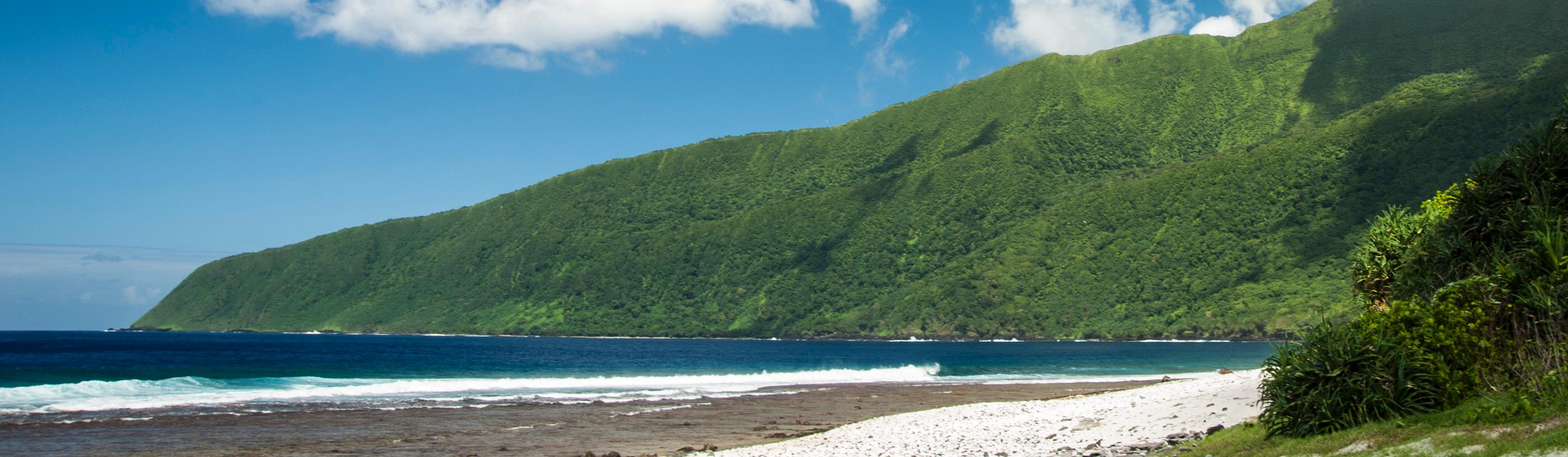
The National Park of American Samoa protects tropical rainforest, coral reefs, volcanic mountains, beaches, and Samoan cultural landscapes across parts of Tutuila, Ofu, and Ta'u in the South Pacific. NPS describes the park as including about 9,500 land acres and 4,000 marine acres, mostly coral reefs, while the official national park acreage commonly listed for ranking purposes is 8,256.67 acres. The park recorded 43,258 recreation visits in 2025, making it one of the least visited national parks despite its rare ecosystems and island setting.
This is the only national park south of the Equator and one of the most distinctive units in the National Park System. Visitors can experience rainforest ridges, flying fox habitat, coral reef waters, village landscapes, and wide views over Pago Pago Harbor and the Manu'a Islands. Travel planning matters more here than at many mainland parks because inter-island transportation, weather, lodging, trail conditions, and local customs all shape what is practical on a visit.
The park was authorized on October 31, 1988, and its land base was established in 1993 through a lease agreement rather than federal land ownership. That arrangement reflects the Samoan communal land system and makes local partnership central to the park's identity. The park protects natural resources while also honoring a living culture, so visitors should treat villages, trails, beaches, reefs, and sacred places with care.
For more information see the park's Wikipedia page.
For official park information, visit the official NPS page.
Top Hikes
Use the NPS Hiking page for current American Samoa trail guidance, village permissions, and weather conditions. Tropical rain can make steep or rocky routes slippery.
Lower Sauma Ridge Trail is about 0.4 mile (0.6 km) with roughly 100 feet (30 m) of elevation gain to cultural sites and coastal views.
Pola Island Trail is about 0.2 mile (0.3 km) with minimal elevation gain to views of the sea stacks and north shore scenery near Vatia.
Blunts Point Trail is about 0.6 mile (1 km) with roughly 200 feet (61 m) of elevation gain to World War II gun emplacements and Pago Pago Harbor views.
Tuafanua Trail is about 2.2 miles (3.5 km) round trip with roughly 660 feet (201 m) of elevation change, descending steeply toward a rocky beach and coastal forest.
Mount Alava Trail is the longer Tutuila hike, about 7 miles (11.3 km) round trip with roughly 1,610 feet (491 m) of elevation gain to ridge and harbor views.
National Park of American Samoa Backpacking
Backpacking is not a standard activity here. NPS Laws and Policies state that overnight camping is not allowed in the park except where specifically authorized, so visitors should plan day hikes rather than overnight backcountry routes. Longer adventures are best organized around lodging, local transportation, and realistic travel time between islands.
Things to Do in National Park of American Samoa
Use the NPS Things To Do page for current activity ideas, seasonal guidance, accessibility notes, and park alerts before planning your visit.
Ofu is known for its beach, reef, snorkeling, and quiet South Pacific setting. Visitors should plan around transportation, tides, reef safety, weather, and local guidance before entering the water.
Ta'u offers rainforest, volcanic slopes, coastal views, and a deeper sense of remoteness. Cultural respect is central to visiting the National Park of American Samoa because the park protects land, reef, and Samoan village landscapes together.
The Places To Go and Plan Your Visit pages are useful for deciding which island or islands fit a trip, especially when flights, ferries, lodging, and weather are limited.
National Park of American Samoa Camping and Lodging
There are no developed NPS campgrounds in the park, and overnight camping is generally not allowed. Most visitors stay in local lodging on Tutuila, with more limited options and logistics on Ofu and Ta'u. Confirm flights, ferries, local transportation, food, and lodging before arrival, especially if visiting the Manu'a Islands.
Official National Park of American Samoa Resources
Use the official NPS page, park map, and current alerts when planning a trip to National Park of American Samoa.