White Sands National Park Overview
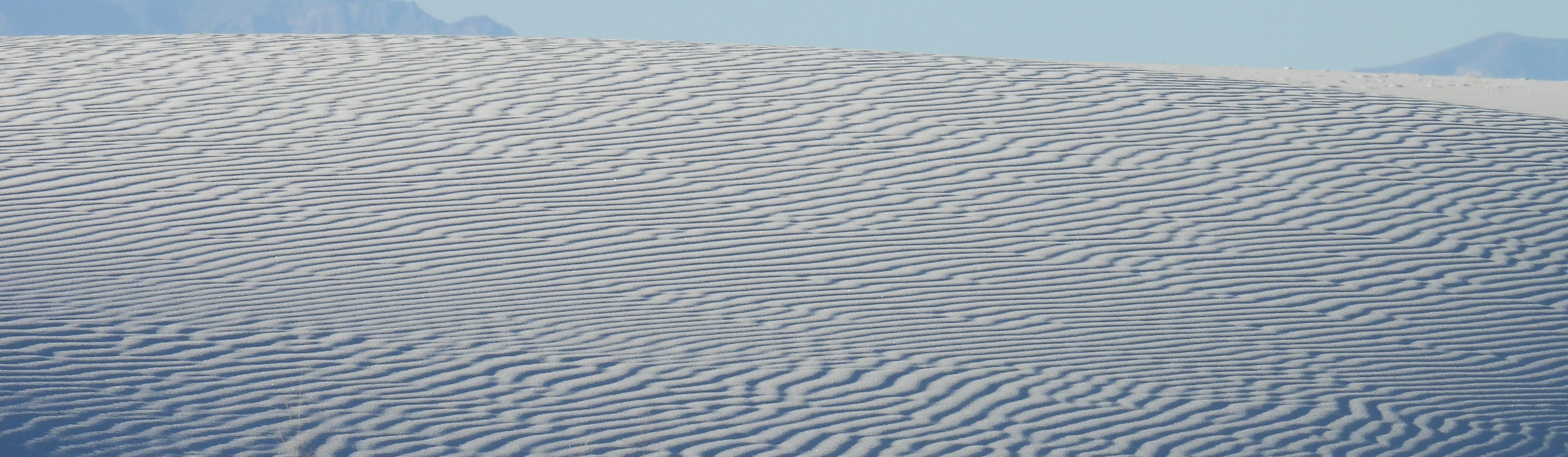
White Sands National Park protects about 146,344 acres in southern New Mexico's Tularosa Basin, including the southern portion of the world's largest gypsum dunefield. The park recorded 659,742 recreation visits in 2025, with visitors drawn to bright white dunes, desert skies, sledding areas, short trails, and the scenic Dunes Drive. The landscape can look simple at first glance, but it is a shifting desert system shaped by wind, water, gypsum, and heat.
The park's white sand is made of gypsum crystals, a mineral that usually dissolves and washes away in wetter places. Here, basin geology and dry climate allow the dunes to collect and move across the desert floor. Plants and animals adapt to burial, exposure, heat, and pale sand, while visitors need to plan for sun, dehydration, orientation, and road closures tied to nearby missile range activity.
White Sands was established as a national monument in 1933 and redesignated as a national park on December 20, 2019. Its protected story includes geology, desert ecology, ancient footprints, military history, nearby communities, and long-standing Indigenous connections to the Tularosa Basin.
For more information see the park's Wikipedia page.
For official park information, visit the official NPS page.
Top Hikes
Use the NPS Hiking page for current White Sands trail and heat guidance. Summer heat and white sand glare can be serious even on short routes.
Interdune Boardwalk is a 0.4-mile (0.6 km) accessible route with minimal elevation gain through interdune habitat and interpretive exhibits.
Playa Trail is a 0.5-mile (0.8 km) round trip with minimal elevation gain to a shallow desert playa and interpretive stops.
Dune Life Nature Trail is a 1-mile (1.6 km) loop with about 30 feet (9 m) of elevation gain over soft sand and marked posts.
Backcountry Camping Trail is a 2-mile (3.2 km) loop with about 40 feet (12 m) of elevation gain through quieter dunes and camping-zone scenery.
Alkali Flat Trail is the long White Sands hike, a 5-mile (8 km) loop with about 52 feet (16 m) of elevation gain across open dunes marked by posts.
White Sands National Park Backpacking
The official NPS Hiking page covers the main marked trails, including Interdune Boardwalk, Playa Trail, Dune Life Nature Trail, Backcountry Camping Trail, and Alkali Flat Trail. Even short routes can become difficult in high heat or strong wind, and dune travel can make landmarks harder to read than expected.
Backpacking and overnight use are limited by current park conditions. The NPS Permits and Reservations page notes that backcountry camping is currently closed while sites are rehabilitated. Visitors should check current park conditions before planning around any overnight or special-use activity.
Things to Do in White Sands National Park
Use the NPS Things To Do page for current activity ideas, seasonal guidance, accessibility notes, and park alerts before planning your visit.
Dunes Drive is the main way to explore White Sands National Park, with pullouts, picnic areas, and access to the gypsum dune field. Sunset, sunrise, and storm light are especially popular for photography.
Sledding is one of the most popular family activities in the park. Ranger programs, full moon events, wildlife tracks, photography, and quiet walks add more reasons to stay beyond a quick roadside stop.
The bright gypsum surface reflects sunlight strongly, so sunglasses, water, sunscreen, and heat timing matter even on shorter visits.
White Sands National Park Camping and Lodging
There is currently no overnight camping inside White Sands National Park while backcountry campsites are closed. The NPS Eating and Sleeping page lists nearby lodging and food options. Alamogordo, Las Cruces, and other area communities provide hotels, campgrounds, restaurants, and supplies.
Official White Sands National Park Resources
Use the official NPS page, park map, and current alerts when planning a trip to White Sands National Park.