Biscayne National Park Overview
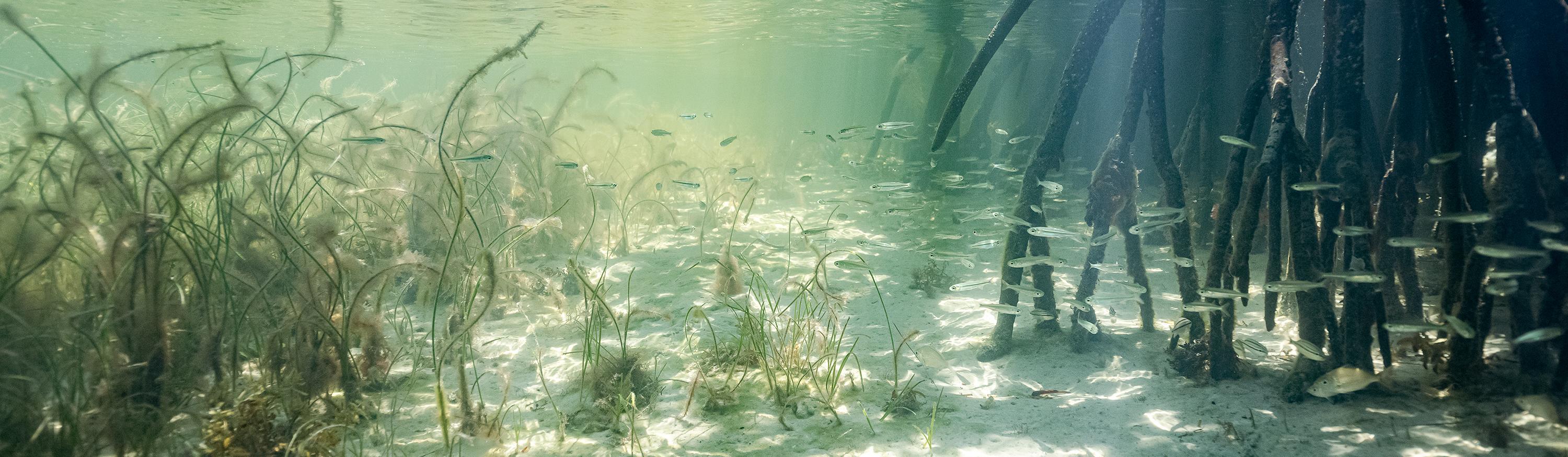
Biscayne National Park protects about 172,971 acres of turquoise water, mangrove shoreline, coral reefs, seagrass beds, shipwrecks, and islands at the northern end of the Florida Keys. The park recorded 486,567 recreation visits in 2025, with most trips centered on boat tours, paddling, snorkeling, diving, fishing, and island visits. More than ninety percent of the park is water, so access and weather shape the experience more than road mileage.
The mainland Dante Fascell Visitor Center is the easiest starting point, but most of the park's signature places require a boat. Boca Chita Key, Elliott Key, Adams Key, Jones Lagoon, and the Maritime Heritage Trail each show a different side of Biscayne, from clear reef water and mangrove habitat to historic structures and quiet island shorelines.
Biscayne was first protected as Biscayne National Monument in 1968 and became a national park on June 28, 1980. The park's history includes Indigenous presence, shipwrecks, farming communities, island development proposals, and conservation efforts that protected a rare marine landscape just south of Miami.
For more information see the park's Wikipedia page.
For official park information, visit the official NPS page.
Top Hikes and Walks
Biscayne is primarily a water park, so its official walking options are shorter island and shoreline routes rather than mountain-style hikes. Check the NPS Things To Do and boat-access information before planning island walks.
Convoy Point Jetty Walk is an easy shoreline walk of about 0.8 mile (1.3 km) round trip with minimal elevation gain, offering views across Biscayne Bay near the visitor center.
Boca Chita Key Walk is a short island walk of about 0.5 mile (0.8 km) with minimal elevation gain, best used when a boat tour or private boat gives access to the island.
Elliott Key Spite Highway is the longer walking option in Biscayne, extending up to about 7 miles (11.3 km) one way with minimal elevation gain along the island's historic corridor.
Adams Key Loop is a short island walk of about 0.5 mile (0.8 km) with minimal elevation gain through hardwood hammock habitat when the key is accessible.
Dante Fascell Visitor Center grounds provide an easy waterfront walk of about 0.25 mile (0.4 km) with minimal elevation gain, useful for a quick look at the bay before or after boat trips.
Boating, Paddling, and Island Walks in Biscayne National Park
Biscayne is not a traditional hiking park, but visitors can walk short island trails on Boca Chita Key, Elliott Key, and Adams Key when transportation is available. NPS Boat Tours are the easiest way to reach many park destinations, while paddling routes through mangroves and shallow bays can be excellent in calm weather.
There is no backpacking in the usual sense, but overnight stays are possible at boat-accessible campgrounds on Boca Chita Key and Elliott Key. Campers need to bring water, food, sun protection, insect protection, and a plan for changing weather and marine conditions.
Things to Do in Biscayne National Park
Use the NPS Things To Do page for current activity ideas, seasonal guidance, accessibility notes, and park alerts before planning your visit.
The Dante Fascell Visitor Center is the best first stop before choosing boat tours, snorkeling, paddling, fishing, or island visits. The Things To Do page and Boat Tours information are especially important because most of Biscayne National Park is reached by water.
Snorkeling and diving are signature Biscayne activities, especially around coral reefs, clear shallows, and the Maritime Heritage Trail shipwreck sites. Weather, water clarity, and tour availability can change the experience quickly, so flexible planning helps.
Kayaking, canoeing, and paddleboarding work well in calm conditions around mangrove shorelines, Jones Lagoon, and protected bays. Fishing is also popular in park waters, but visitors need to follow current Florida and NPS regulations.
Island walks on Boca Chita Key, Elliott Key, and Adams Key add short land-based exploring to a mostly marine park. Camping is available on Boca Chita Key and Elliott Key for visitors who can arrange boat access and bring needed supplies.
Biscayne National Park Camping and Lodging
Boca Chita Key is Biscayne's most popular island camping area, with waterfront scenery, picnic tables, grills, and toilets. There are no showers, sinks, or drinking water, so campers must arrive by boat with all water, food, and supplies.
Elliott Key Campground offers boat-access camping on the park's largest island. Services are limited, and NPS notes that camping is first come, first served rather than reserved through Recreation.gov, so weather, tides, transportation, and arrival timing should shape every camping plan.
Biscayne has no car-access campground and no backcountry camping outside designated island camping areas. Use the NPS Camping page before planning transportation or overnight logistics.
Official Biscayne National Park Resources
Use the official NPS page, park map, and current alerts when planning a trip to Biscayne National Park.