Lake Clark National Park Overview
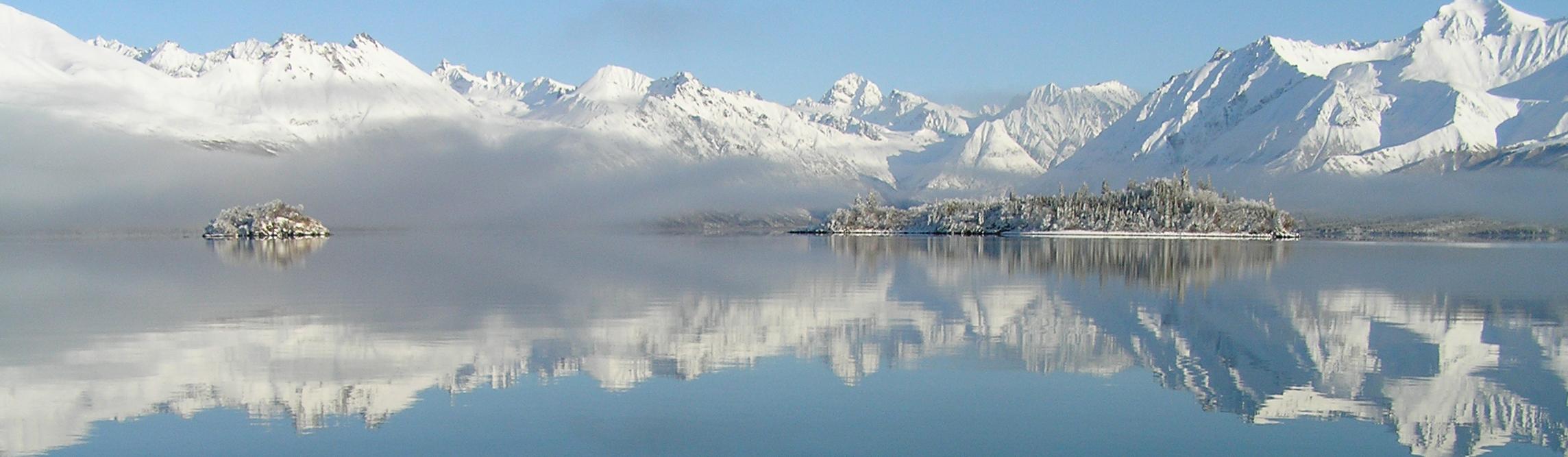
Lake Clark National Park and Preserve protects about 4 million acres of southwest Alaska where volcanoes, turquoise lakes, glaciers, coast, tundra, salmon streams, and bear habitat meet in one enormous wilderness. Despite its size, it remains one of the least visited national parks, with 19,778 recreation visits recorded in 2025. The park has no road access from the highway system, so most visits begin with an air taxi, boat, or guided trip into Port Alsworth, the coast, or a backcountry landing area.
The park is best known for Lake Clark itself, the Chigmit Mountains, active volcanoes, coastal bear viewing, salmon-rich rivers, and the historic cabin of Richard Proenneke at Twin Lakes. Weather, flight logistics, private land boundaries, and wilderness safety shape almost every itinerary. Visitors should plan around flexible travel days, conservative routes, food storage, and the reality that services are limited once you leave the small communities and lodges around the park.
The protected area also has a long human story, with archeological evidence and continuing subsistence traditions tied to the lakes, rivers, coast, and salmon runs. Lake Clark was first designated a national monument on December 1, 1978, then enlarged and redesignated as a national park and preserve on December 2, 1980, through the Alaska National Interest Lands Conservation Act.
For more information see the park's Wikipedia page.
For official park information, visit the official NPS page.
Top Hikes
Lake Clark has limited maintained trails, mostly near Port Alsworth, plus extensive route-based wilderness travel. Check the NPS hiking guidance and local conditions before hiking.
Tanalian Falls Trail is about 3.4 miles (5.5 km) round trip with roughly 200 feet (61 m) of elevation gain to a waterfall and river views near Port Alsworth.
Beaver Pond Loop is about 3 miles (4.8 km) with roughly 100 feet (30 m) of elevation gain through forest and wetland scenery near Port Alsworth.
Kontrashibuna Lake Trail is about 6 miles (9.7 km) round trip with roughly 400 feet (122 m) of elevation gain beyond Tanalian Falls toward a quieter lake setting.
Tanalian Mountain Trail is the long maintained hike, about 8.6 miles (13.8 km) round trip with roughly 3,500 feet (1,067 m) of elevation gain to big views over Lake Clark country.
Wilderness beach and tundra routes can range from 2 to 10 miles (3.2 to 16 km) or more with variable elevation gain, depending on aircraft drop-off, bear conditions, and chosen route.
Lake Clark National Park Backpacking
Lake Clark is primarily a trail-free wilderness, with the maintained Tanalian Trails network near Port Alsworth serving as the main exception. Hiking elsewhere usually means route-finding across beaches, tundra, lake shores, river bars, and alpine terrain. The official NPS Camping and Backpacking guidance is especially useful because it explains how travel works in a park where visitors may hike widely, but must be ready for navigation, weather, water crossings, and bear country.
Backpacking is one of Lake Clark's signature experiences for prepared wilderness travelers. Trips can range from base camping near an air taxi drop-off to longer routes through open tundra, lake basins, and mountain passes. NPS Bear Safety guidance should be part of every plan because food storage, group awareness, campsite selection, and calm bear behavior matter throughout the park and preserve.
Things to Do in Lake Clark National Park
Use the NPS Things To Do page for current activity ideas, seasonal guidance, accessibility notes, and park alerts before planning your visit.
Twin Lakes, Port Alsworth, Tanalian Falls, Lake Clark, and the historic Proenneke cabin are major things to do in Lake Clark National Park and Preserve. These places combine wilderness scenery, human history, and access to the lake-and-mountain heart of the park.
Bear viewing is one of the park's most searched activities, especially along coastal areas where brown bears feed on sedges, clams, and salmon. Guided trips are common because flights, tides, wildlife behavior, and safety all matter.
Kayaking, fishing, flightseeing, bear viewing, and volcano views make Lake Clark a strong wilderness trip for prepared visitors. Travel can involve tundra, beaches, lake shores, river bars, and mountain passes with limited services.
The park rewards flexible itineraries because weather can delay flights and change where it is practical to travel on a given day.
Lake Clark National Park Camping and Lodging
Camping is mostly undeveloped and backcountry-focused. Lodges, air taxis, guide services, and limited community services are concentrated around Port Alsworth and a few coastal or lake-access areas. Visitors should confirm transportation, weather windows, food storage, fuel rules, and private land boundaries before leaving for the park.
Official Lake Clark National Park Resources
Use the official NPS page, park map, and current alerts when planning a trip to Lake Clark National Park.