Kenai Fjords National Park Overview
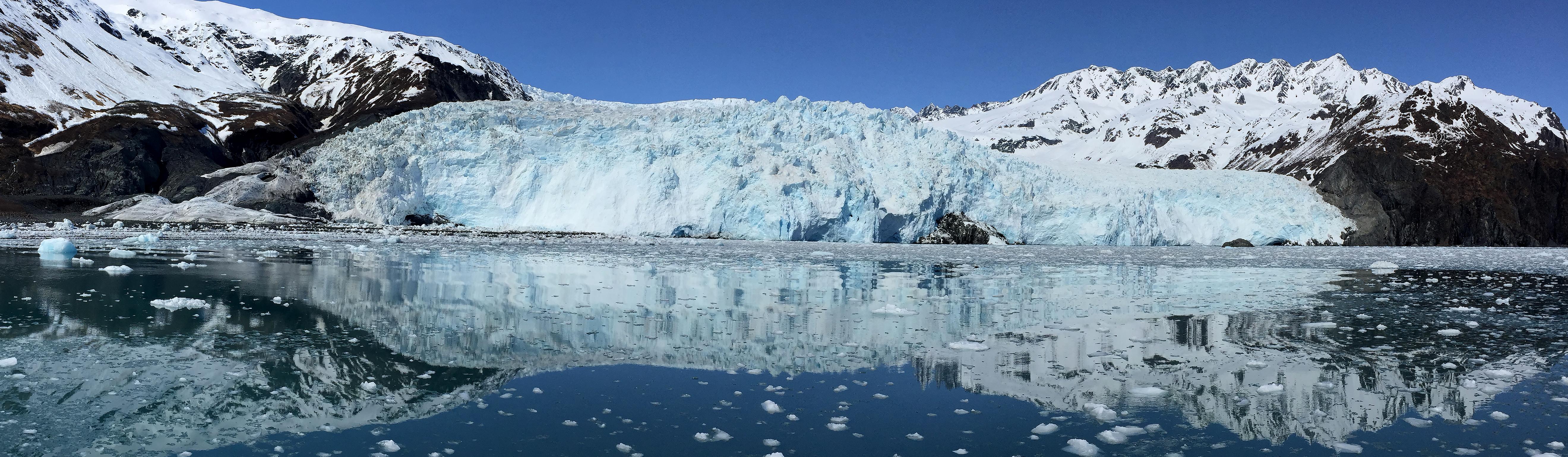
Kenai Fjords National Park protects about 669,984 acres of the Harding Icefield, tidewater glaciers, coastal fjords, marine wildlife habitat, and rugged mountains near Seward, Alaska. The park recorded 425,369 recreation visits in 2025, with many trips split between boat tours on the coast and hikes in the Exit Glacier area. Much of the park is best experienced by boat, kayak, or flightseeing, while Exit Glacier provides the easiest road-accessible area for hiking and ranger programs.
The park's glaciers, cliffs, and fjords support whales, sea otters, seals, puffins, seabirds, and other coastal wildlife. Weather can change quickly, and boat tours depend on sea conditions, but a clear day in Kenai Fjords can combine glacier views, wildlife, and mountain scenery in one trip.
Kenai Fjords was first protected as a national monument in 1978 and became a national park on December 2, 1980, through the Alaska National Interest Lands Conservation Act. The park preserves icefield science, coastal ecosystems, Alaska Native history, and a changing glacier landscape shaped by climate and sea.
For more information see the park's Wikipedia page.
For official park information, visit the official NPS page.
Top Hikes
Use the NPS Hiking page for current Exit Glacier area conditions. Kenai Fjords has a small developed trail network, and the Harding Icefield Trail is the major long hike.
Exit Glacier Nature Trail is about 0.5 mile (0.8 km) round trip with minimal elevation gain, offering an easy introduction to the Exit Glacier area.
Glacier View Loop is about 1 mile (1.6 km) with roughly 100 feet (30 m) of elevation gain to views of Exit Glacier and the surrounding valley.
Exit Glacier Overlook Trail is about 2.2 miles (3.5 km) round trip with roughly 300 feet (91 m) of elevation gain to a closer glacier viewpoint.
Harding Icefield Trail to Marmot Meadows is about 3 miles (4.8 km) round trip with roughly 1,000 feet (305 m) of elevation gain, giving hikers a shorter but steep sample of the full route.
Harding Icefield Trail is the long hike, about 8.2 miles (13.2 km) round trip with roughly 3,000 feet (914 m) of elevation gain to sweeping views over the icefield.
Kenai Fjords National Park Backpacking
Backpacking and coastal camping are possible but require planning around tides, weather, boat access, and bear safety. Some visitors use public-use cabins or remote coastal camps, while others focus on day hiking at Exit Glacier and boat-based exploration from Seward.
Things to Do in Kenai Fjords National Park
Use the NPS Things To Do page for current activity ideas, seasonal guidance, accessibility notes, and park alerts before planning your visit.
Exit Glacier is the easiest place to start a Kenai Fjords National Park visit. Short trails and viewpoints help visitors see the glacier landscape, climate-change markers, and the edge of the Harding Icefield.
Boat tours are a signature Kenai Fjords activity because much of the park is coastal. Wildlife and glacier cruises from Seward can include tidewater glaciers, fjords, whales, sea otters, seals, puffins, and seabird colonies.
Kayaking, flightseeing, fishing from nearby Seward, photography, and wildlife viewing add strong activity coverage for visitors comparing Alaska national parks.
Kenai Fjords National Park Camping and Lodging
Exit Glacier Campground is the park's small tent-only campground in the Exit Glacier area. Sites are first come, first served in season, and campers must follow food-storage rules because bears and other wildlife live nearby.
Coastal camping is possible in backcountry areas of Kenai Fjords, but it requires planning around boat or water-taxi access, tides, landing beaches, weather, and bear safety.
Public use cabins and nearby Seward-area campgrounds can help visitors build longer trips, but there are no RV campsites or overnight vehicle camping areas inside Kenai Fjords National Park.
Official Kenai Fjords National Park Resources
Use the official NPS page, park map, and current alerts when planning a trip to Kenai Fjords National Park.