Kobuk Valley National Park Overview
Kobuk Valley National Park protects about 1,750,716 acres of Arctic wilderness, the Great Kobuk Sand Dunes, the Kobuk River, boreal forest, tundra, and caribou migration routes in northwest Alaska. The park recorded 7,786 recreation visits in 2025, making it one of the least visited national parks in the country. There are no roads, developed campgrounds, or maintained trails, so most trips depend on bush flights, river travel, or experienced guided logistics.
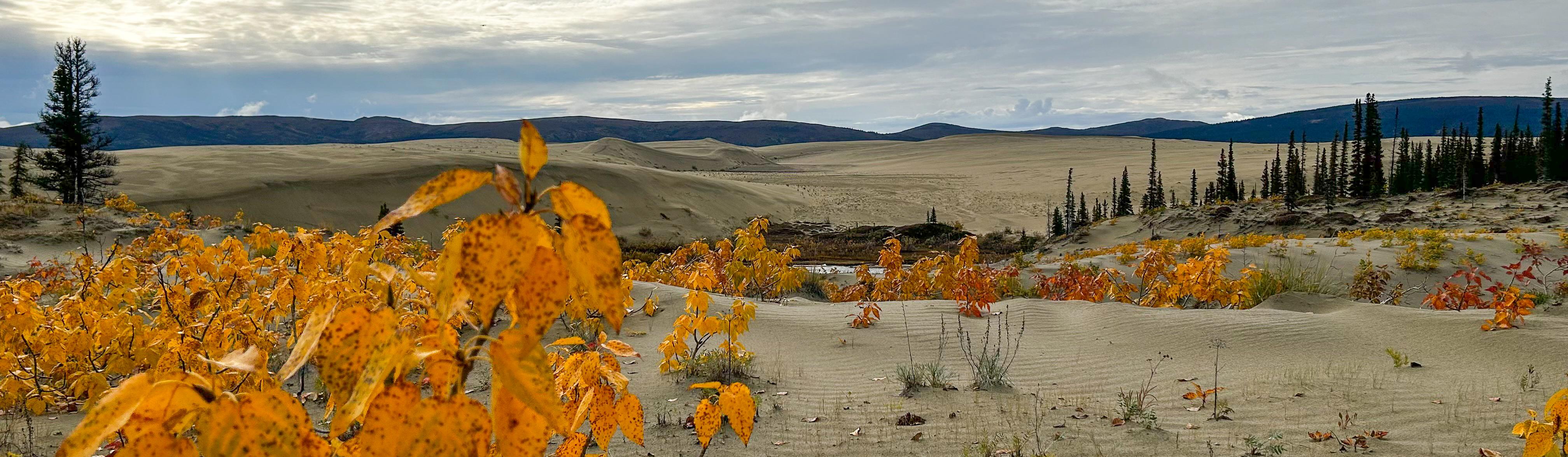
The Great Kobuk Sand Dunes are the most famous landmark, rising unexpectedly within an Arctic landscape. Onion Portage and the Kobuk River are also central to the park's natural and cultural story, especially during caribou migration. Visitors should expect isolation, insects, cold water, bear country, and weather that can alter flights and routes.
Kobuk Valley was first protected as a national monument in 1978 and became a national park on December 2, 1980, through the Alaska National Interest Lands Conservation Act. The park preserves Inupiat history, caribou migration, river travel routes, and a rare Arctic dune field within a broad wilderness landscape.
For more information see the park's Wikipedia page.
For official park information, visit the official NPS page.
Top Wilderness Routes
Kobuk Valley has no maintained trail system, so hikes are route-based wilderness trips with variable mileage and elevation gain. Check NPS wilderness guidance before planning any route.
Great Kobuk Sand Dunes hikes can range from about 2 to 8 miles (3.2 to 12.9 km) with several hundred feet of soft-sand elevation change depending on the landing area and dune objectives.
Little Kobuk Sand Dunes routes are remote hikes of variable distance with rolling sand and tundra, usually planned with aircraft support and no fixed elevation gain.
Hunt River Dunes routes can be longer wilderness walks of 5 to 10 miles (8 to 16 km) or more, with variable elevation change across dunes, tundra, and river corridors.
Onion Portage walks are short tundra and river-area routes of about 1 to 3 miles (1.6 to 4.8 km) with minimal elevation gain, focused on cultural landscape awareness and wildlife observation.
Baird Mountains backpacking routes are the longer hiking option, often 10 miles (16 km) or more with substantial elevation gain depending on the ridge, valley, and aircraft drop-off.
Kobuk Valley National Park Backpacking
Backpacking is possible for highly prepared wilderness travelers, but the park's remoteness makes conservative planning essential. NPS Safety guidance is important because visitors need food storage, communication, layered clothing, river judgment, and flexibility for delayed flights or changing weather.
Things to Do in Kobuk Valley National Park
Use the NPS Things To Do page for current activity ideas, seasonal guidance, accessibility notes, and park alerts before planning your visit.
The Great Kobuk Sand Dunes are the most famous thing to do in Kobuk Valley National Park. Visitors usually reach them by air taxi and explore dunes, tundra, and river corridors from a remote basecamp.
Floating the Kobuk River is another major way to experience the park. River trips can combine camping, fishing, wildlife viewing, and travel through a broad Arctic landscape, but logistics require careful coordination.
Onion Portage, caribou migration history, photography, flightseeing, and quiet wilderness camping are important reasons to visit this rarely seen Alaska park.
Kobuk Valley National Park Camping and Lodging
Camping is undeveloped and fully backcountry. Visitors must be prepared for isolation, cold water, insects, bear country, and fast-changing weather.
Official Kobuk Valley National Park Resources
Use the official NPS page, park map, and current alerts when planning a trip to Kobuk Valley National Park.